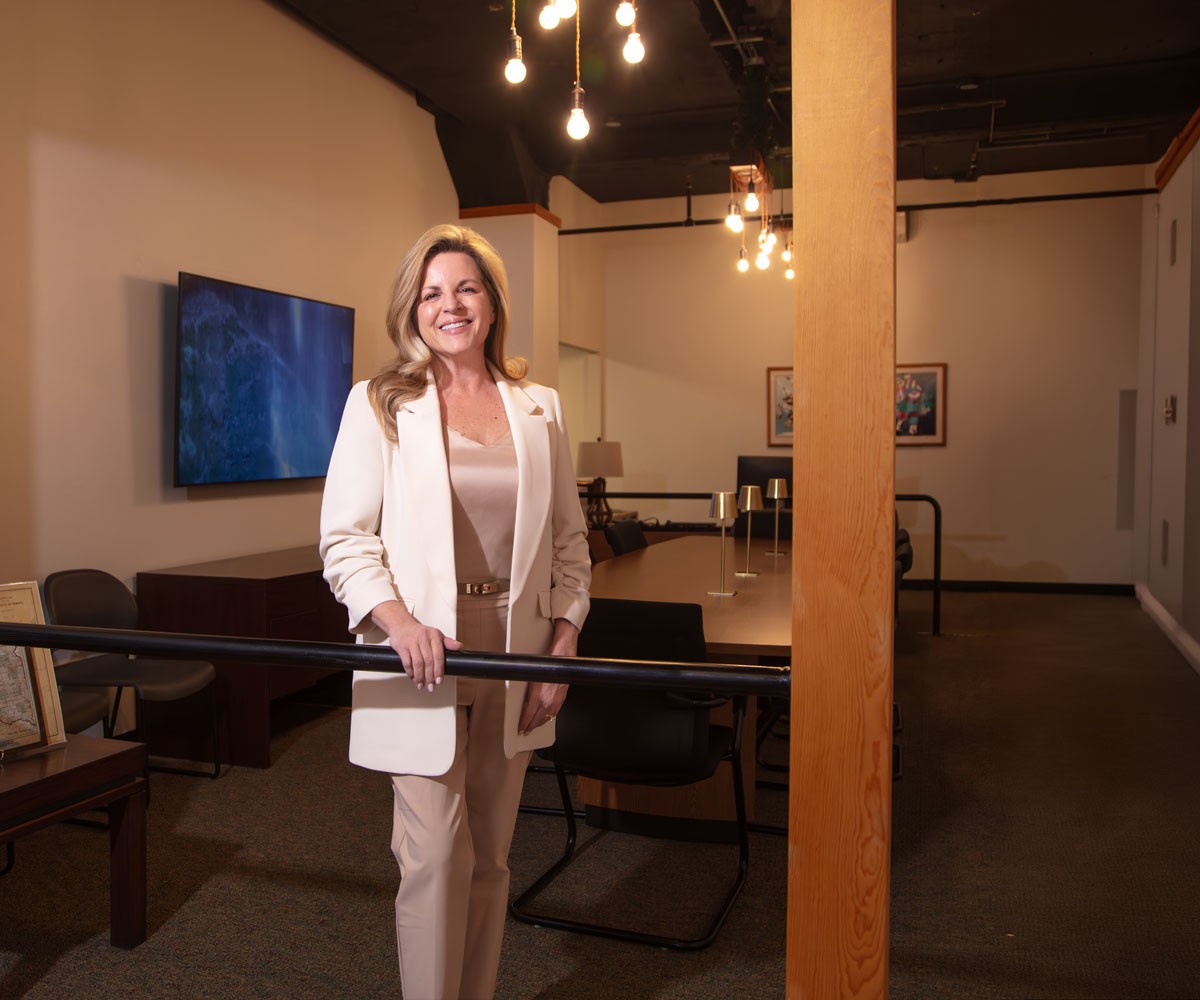
Most people do not think about water until there is a problem. Kristin Conzet spends much of her day thinking about water. As Executive Director of the Western Dakota Regional Water System, Kristin leads a regional effort focused on a simple question: will western South Dakota have enough water in the future?
The concern is real. Western South Dakota is growing. Communities are adding homes, businesses and industry. Ellsworth Air Force Base is expanding with the B-21 mission. At the same time, drought cycles are becoming more frequent, and many local water system supplies are already stretched.
WDRWS was formed in 2020 after technical studies confirmed what many communities suspected. Existing water supplies will not be enough to meet long-term demand. Waiting until shortages emerge would be costly and disruptive. Planning ahead is economical and smarter.
“That is the choice,” Kristin explained. “We must act now so future generations don’t have to react.” WDRWS brings communities together to look at solutions no single town or rural water system could handle alone. Today, the organization includes 47 member entities across western South Dakota.
The work focuses on two main efforts. One is studying whether Missouri River water could be delivered west as a supplemental regional supply. The other is improving scientific understanding
of Black Hills aquifers so communities know what they can and cannot provide over time. The goal is not replacing local water sources. It is making sure there is a reliable water supply that is
not affected by local drought conditions.
Progress has been steady. WDRWS secured eight million dollars in state funding to complete technical and planning work. In early 2026, South Dakota’s federal delegation introduced legislation in both the House and the Senate to authorize a Bureau of Reclamation feasibility study. That step moves the project from idea to formal evaluation and is required before any construction can be approved.
For Kristin, the work is about everyday reliability.“If western South Dakotans never have to worry about turning on the tap and having reliable water,” she said, “that means that WDRWS did our job.”
Water planning may not be flashy, but it affects everything from housing costs to economic growth. By working regionally and planning ahead, western South Dakota is taking control of its water future instead of leaving it to chance.
For Kristin, the work is about the future. “These are generational decisions,” she said. “If we do this right, communities will never notice the planning behind the water coming out of the tap.” Quiet work, big impact. Through regional collaboration and steady leadership, WDRWS is helping ensure western South Dakota has the water it needs to thrive.
Pictured: Kristin Conzet
PO Box 484
Rapid City, South Dakota 57709
wdrws.org